
In 2024, I passed Rhode Island’s first law to regulate and define e-bikes by class.
As e-bikes and other micromobility devices like e-scooters and e-skateboards have exploded in popularity, Rhode Island’s regulations have lagged.
Our Exists E-bike Law
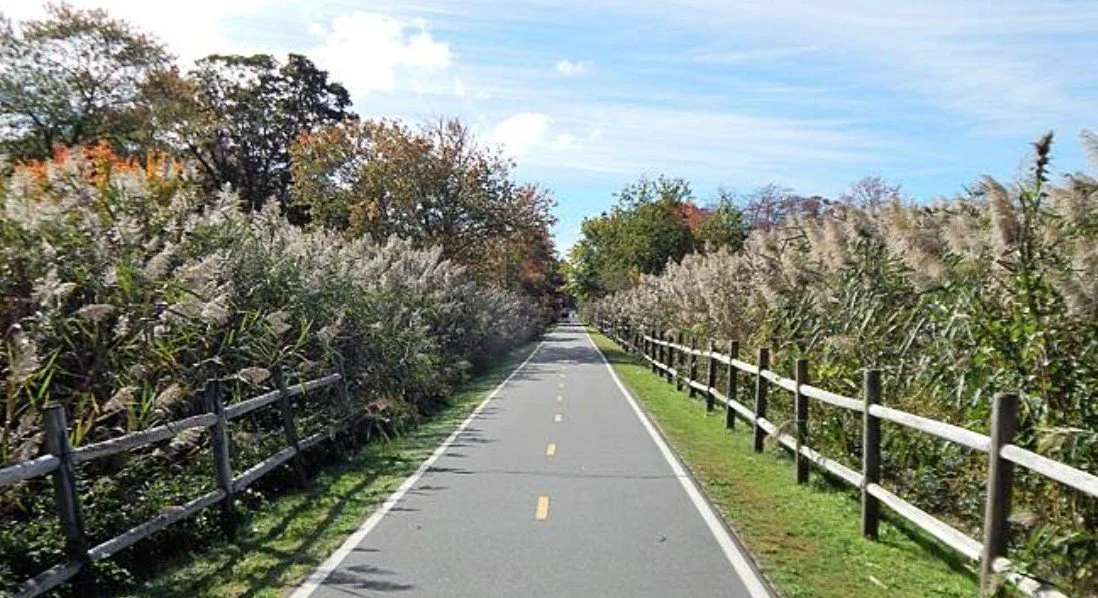
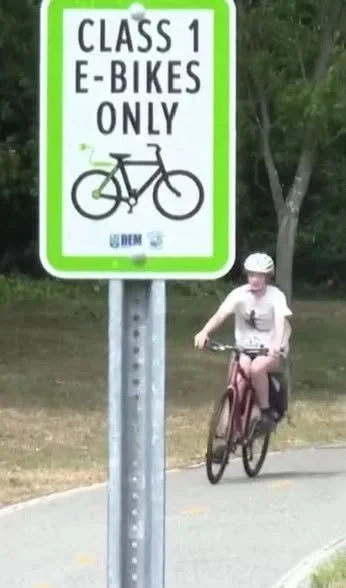
In 2024, I filed and passed legislation around e-bikes that does several things. First, our law now defines three classes of electric bicycle, consistent with national standards. Second, RI allows Class 1 electric bicycles, which provide assistance only when the rider is pedaling and cease to provide assistance when the electric bicycle reaches 20 miles per hour, to use state bike paths. Third, the Department of Environmental Management has authority to set guidelines governing the use of electric bicycles at all properties it manages—including the East Bay Bike Path. And finally, it requires Rhode Islanders under 21 to wear a helmet while riding an electric bicycle.
In 2026, it was clear that more was needed to keep people safe while on a variety of micromobility devices, like e-bikes and e-scooters.
Micromobility, including electric bicycles, electric scooters, mopeds, and other small, powered devices, has become a common sight on streets and paths across Rhode Island and the nation. Since we passed my e-bike bill in 2024, the use of micromobility has proliferated. I met with representatives from Barrington and East Providence Police, the Barrington Pedestrian and Bike Committee, and DEM before drafting a 2026 bill. The bill I filed was an attempt to keep up with the changing technology and address safety concerns. The bill was substantially amended to just the bare minimum which did three things:
Existing RI law § 31-3-2.2 prohibits anyone under the age of 16 from operating an “electric motorized bicycle” but that prohibition is buried in a section of law about “registration”. So the bill added that definition into the e-bike section of law.
All businesses that sell electric bicycles in Rhode Island shall prominently display provisions and restrictions of state law regulating electric bicycles.
The Office of Energy Resources shall notify electric bicycle rebate recipients of applicable state laws regarding electric bicycles.
Though we passed this bill in the House, unfortunately the Senate declined to move the bill so it died in committee.
Next step: File comprehensive legislation to address micromobility safety.
In November 2024, the Massachusetts general assembly created the Special Commission on Micromobility to focus on three key areas: classification, regulation, and expansion. They issued a reportin January of 2026 to provide a framework of regulatory and incentive recommendations for the legislature and administration to act upon to accelerate the adoption of micromobility in a safe, sensible, and comprehensive way. Governor Healey filed legislation to strengthen public safety and regulate micromobility devices, like e-bikes, scooters and mopeds. The “Ride Safe Act,” builds on recommendations from the mobility commission and responds directly to growing safety concerns on Massachusetts roads, sidewalks and bike lanes.
It’s clear to me that our laws in Rhode Island have not kept up with the proliferation of micromobility options. There is much that we can learn from closely reading the Massachusetts micromobility report and the associated pending legislation.
One thing I like from the Massachusetts report: a recommendation to set the default shared use path maximum speed statewide to 20 MPH. More good ideas: using a classification system based on speed; more training for both community members and law enforcement on the laws; better data collection on accidents involving micromobility.
Another recommendation from the Massachusetts report is to create a new definition of “Shared use path” as an alternative to "bike path". A “Shared use path” would be a path intended for transportation or recreational use that is designed for people of all ages and abilities on foot or using motorized or non-motorized micromobility devices and is physically separated from motorized vehicle traffic within a highway right-of-way or an independent right-of-way with few crossflows with motor vehicles.
I plan to take time this summer and fall to really study what Massachusetts is doing, connect with stake holders, and then file a new and improved bill in early 2027.